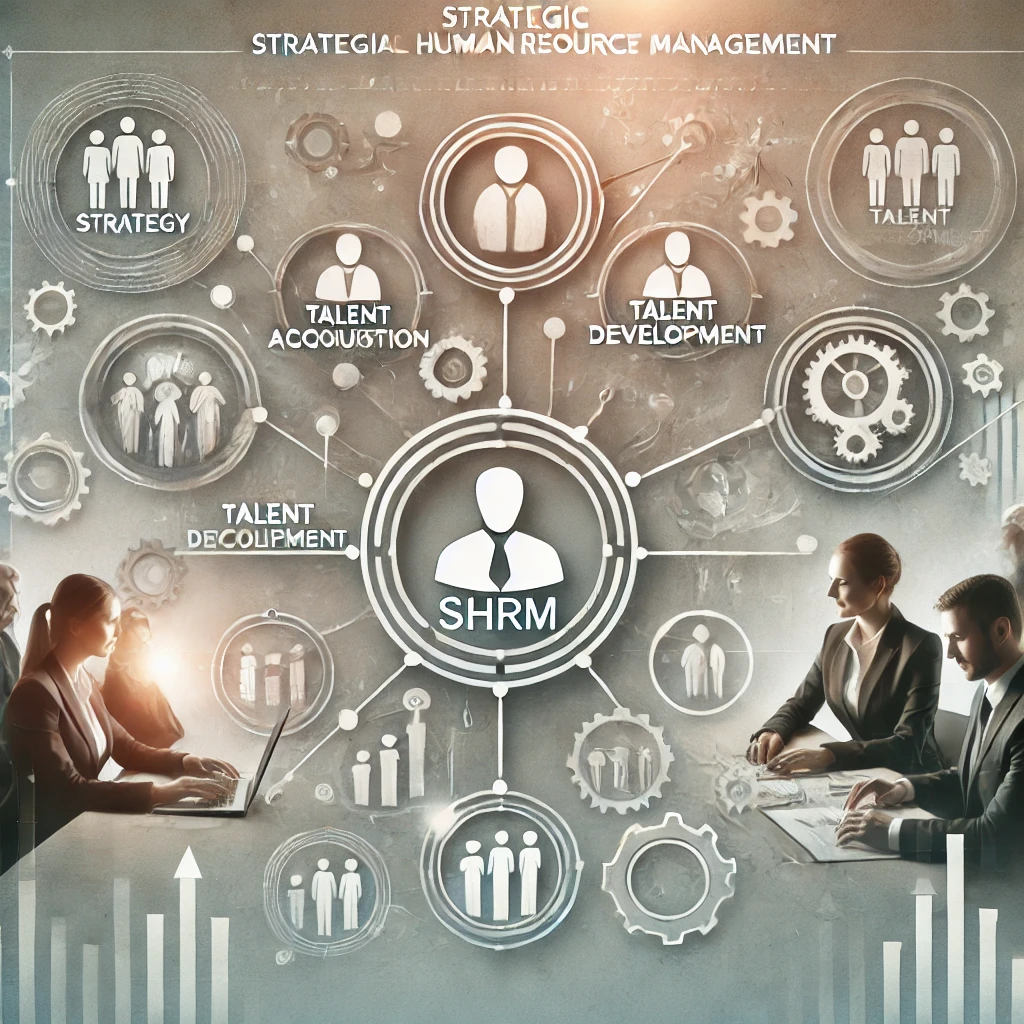
Strategic Human Resource Management: What Do We Mean?
Strategic Human Resource Management (SHRM) is a management approach that aligns human resources management (HRM) with the overall strategy of the firm. However, the meaning of "strategic" within the HR management context remains a debated topic in the literature. The primary difference that sets SHRM apart from other HR management approaches is its treatment and management of human resources as a strategic element of organizational success.
To understand SHRM, it is crucial first to clarify the concepts of "HR management" and "strategic." HR management encompasses all workforce-related management activities. While HR management is often limited to fostering high commitment or a specific management style, SHRM offers a broader perspective. SHRM, while adopting high-commitment models, may also include complex strategies with varying commitment levels for managing different workforce groups. In this context, SHRM aims to shape HR management to help the firm achieve objectives such as growth, development, efficiency, and profitability.
The Meaning of “Strategic” in SHRM
In many HR management approaches, the term "strategic" is used superficially, failing to create genuinely strategic value for the firm. However, in SHRM, the strategic aspect requires considering HR as a component that directly impacts the holistic performance of the organization. In this sense, SHRM is concerned with how a firm’s workforce-related decisions affect its sustainability and competitive advantage. HR strategies include critical choices and workforce management processes that influence organizational success.
Strategic human resource management refers to defining HR policies aligned with the firm's vision, mission, and long-term goals. SHRM includes activities to attract, retain, and develop the talent necessary for the organization to reach its goals, supporting a skilled workforce that will enhance organizational efficiency. SHRM thus covers not only daily operations but also long-term strategies.
The Role of SHRM in Organizational Effectiveness
SHRM enables strategic choices in the firm's business processes. These choices aim to enhance the company's performance, helping the workforce align with and contribute to the organization in the most suitable way. For instance, global consulting firms like McKinsey and PwC maintain their industry reputation with a highly skilled workforce. For such firms, HR policies such as qualified recruitment, employee development strategies, and competitive compensation play a decisive role in organizational effectiveness. This strategic structure provides a crucial advantage for firms to achieve sustainable success and gain a competitive edge.
Strategic Human Resources: What Do We Mean by HR Strategy?
An essential component of SHRM, HR strategy models the firm’s strategic choices in workforce management. HR strategy involves defining core objectives and tools, building a workforce strategy that supports the firm’s competitive strength, and enhancing workforce performance. For example, firms in high-value sectors may prefer practices such as extensive training, employee ownership, and high salaries to attract high-talent employees.
For an HR strategy to be effective, the firm's workforce management preferences must align with organizational goals. This alignment is achieved by viewing HR not merely as an independent management function but as a strategic resource that contributes to the firm’s performance. A strategic HR approach supports the firm's long-term goals in areas such as attracting the necessary talent, boosting employee engagement, and enhancing performance.
Balancing SHRM and Organizational Interests
The success of SHRM requires balancing organizational interests with employee interests. HR management aims to enhance employee satisfaction and engagement while ensuring organizational efficiency. By designing HR policies focused on employee satisfaction, a firm can increase its competitive strength and reduce turnover, thereby providing long-term benefits to the organization. In this context, another key goal of SHRM is to enable employees to contribute directly to the organization’s success, supporting the firm’s sustainable competitive advantage.
The Importance of SHRM: Why It Is a Critical Management Tool
SHRM emphasizes that organizations should adopt a more interdisciplinary and systematic approach in workforce management. This approach advocates viewing HR management as a strategic tool that directly impacts organizational success, rather than merely as a support function. SHRM plays a decisive role in organizational effectiveness in the following areas:
- Long-Term Talent Management: SHRM takes strategic decisions to recruit and develop qualified employees by planning a workforce aligned with the organization’s growth and development goals.
- Providing Competitive Advantage: SHRM allows firms to build human capital that differentiates them from competitors. HR management that serves the organization’s strategic goals makes the firm’s competitive advantage sustainable.
- Internal Consistency and Workforce Efficiency: SHRM ensures that HR policies and practices within the organization are aligned with each other, creating internal cohesion. This alignment supports the workforce’s contribution to organizational goals and improves process efficiency.
Conclusion
SHRM is based on the idea that organizations should view their workforce as a strategic resource. SHRM, which adopts a strategic perspective in HR management, contributes to the organization’s competitive advantage while also increasing workforce efficiency and employee engagement. Effective implementation of SHRM requires aligning organizational goals with HR strategies and integrating HR management with the firm’s overall strategy.
References
Boxall, P., & Purcell, J. (2000). Strategic Human Resource Management: Where Have We Come from and Where Should We Be Going? International Journal of Management Reviews, 2, 183-203.
- Boxall, P. (1996). "The Strategic HRM Debate and the Resource-Based View of the Firm." Human Resource Management Journal, 6(3), 59-75.
- Boxall, P., & Purcell, J. (2003). Strategy and Human Resource Management. Palgrave Macmillan.
- Child, J. (1972). "Organizational Structure, Environment, and Performance: The Role of Strategic Choice." Sociology, 6(1), 1-22.
- Dyer, L. (1984). Studying Human Resource Strategy: An Approach and an Agenda. ILR Press.
- Mintzberg, H. (1978). "Patterns in Strategy Formation." Management Science, 24(9), 934-948.
- Purcell, J. (1999). "Best Practice and Best Fit: Chimera or Cul-de-sac?," Human Resource Management Journal, 9(3), 26-41.
- Wright, P. M., & Snell, S. A. (1998). "Toward a Unifying Framework for Exploring Fit and Flexibility in Strategic Human Resource Management." Academy of Management Review, 23(4), 756-772.
- Schuler, R. S. (1992). "Strategic Human Resource Management: Linking the People with the Strategic Needs of the Business." Organizational Dynamics, 21(1), 18-32.
Have a critical role to fill?
Share your role and we'll present a qualified shortlist within 5-10 business days.